Keeping Hot Water Steady in Sun City West Homes
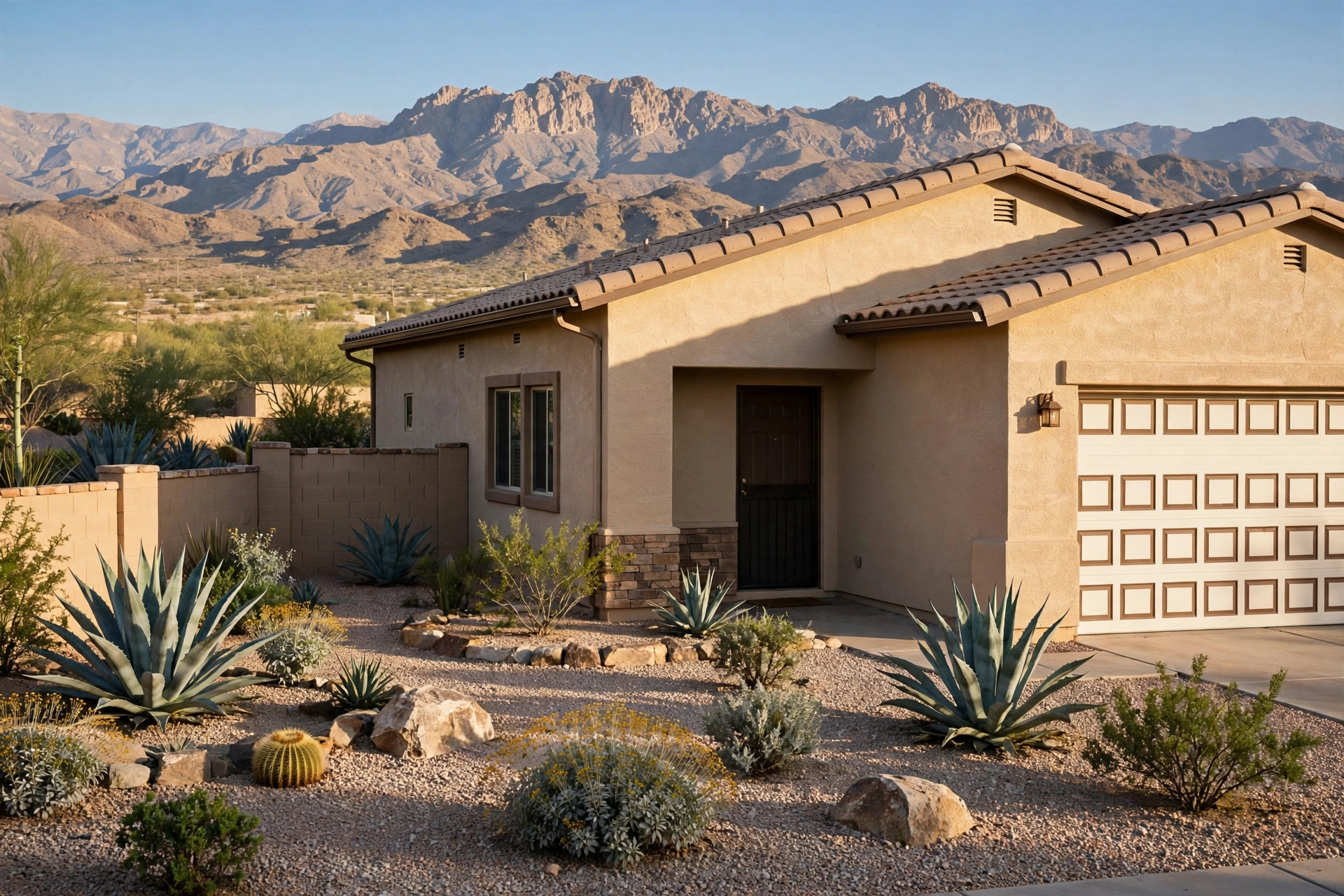
Sun City West lies about two and a half miles west of the original Sun City, in unincorporated Maricopa County along Grand Avenue and Bell Road, bordering Surprise to the west and Sun City to the east. Del Webb developed the community on former ranch land, including part of the Lizard Acres cattle ranch, building roughly 16,900 homes across more than 150 floor plans between 1978 and 1997. Homes here tend to be newer and generally larger than those in the original Sun City, with walled patios, golf course frontage, and garages that hold a car, a golf cart, and the water heater. Desert Valley Water Heater Pros connects homeowners in Peoria and the West Valley with independent local plumbing contractors, so a Sun City West household can request service and have a local contractor assess the heater where it stands.
Serving Sun City West, AZ 85375
Daily life centers on the Recreation Centers of Sun City West, which runs four recreation centers, seven golf courses, indoor and outdoor pools, bowling, tennis, pickleball, and more than 90 chartered clubs. Banner Del E. Webb Medical Center sits inside the community, and shopping, dining, and medical offices line the Bell Road and Grand Avenue corridors nearby. Many residents travel for part of the year, return for the winter season, and host guests who come for golf, theater at the Stardust venue, and mild desert weather. This page explains how larger floor plans, seasonal travel, and hard Valley water combine to shape heater repair, maintenance, and replacement in Sun City West.
A 1978 Follow Up Community With Roomier Floor Plans
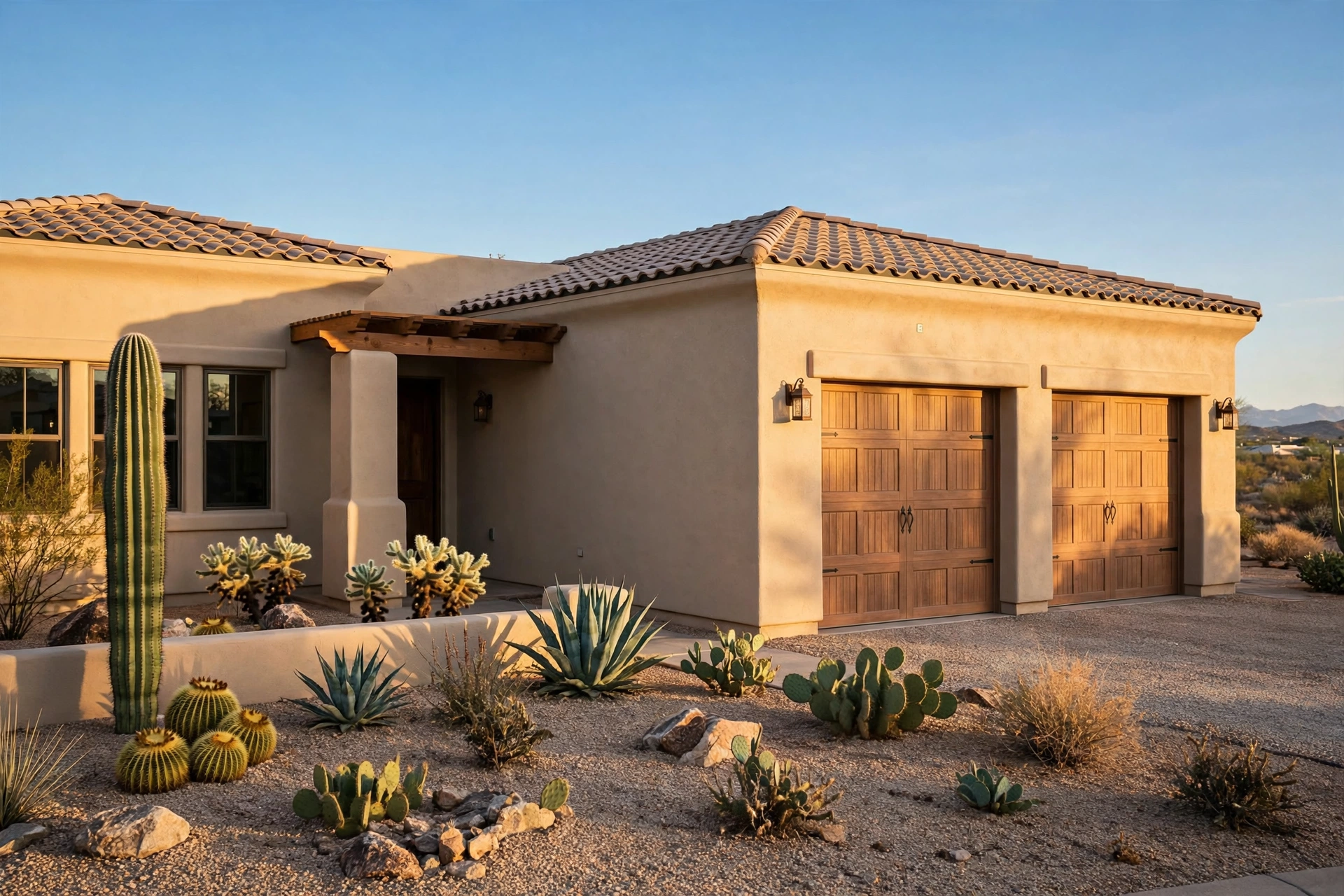
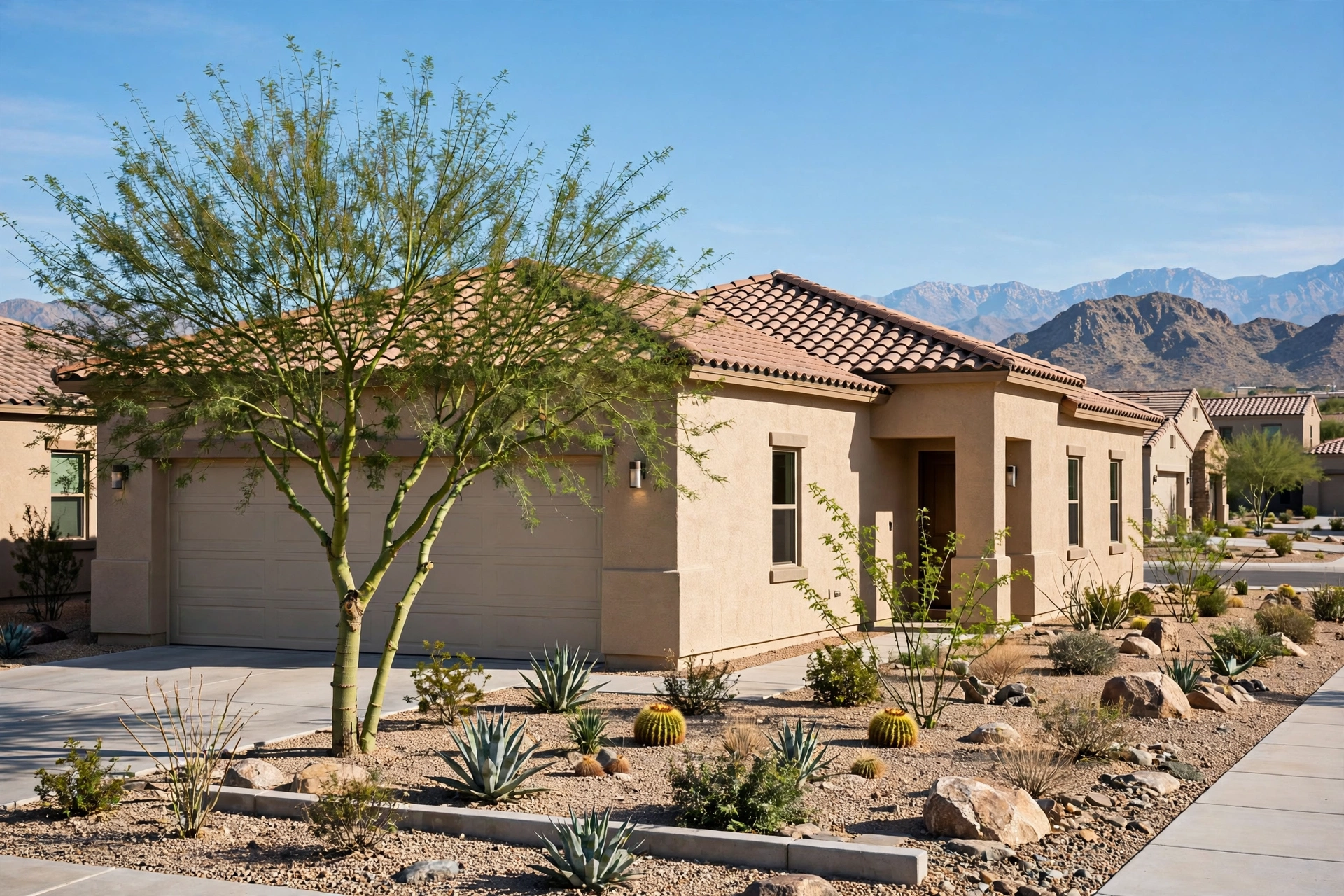
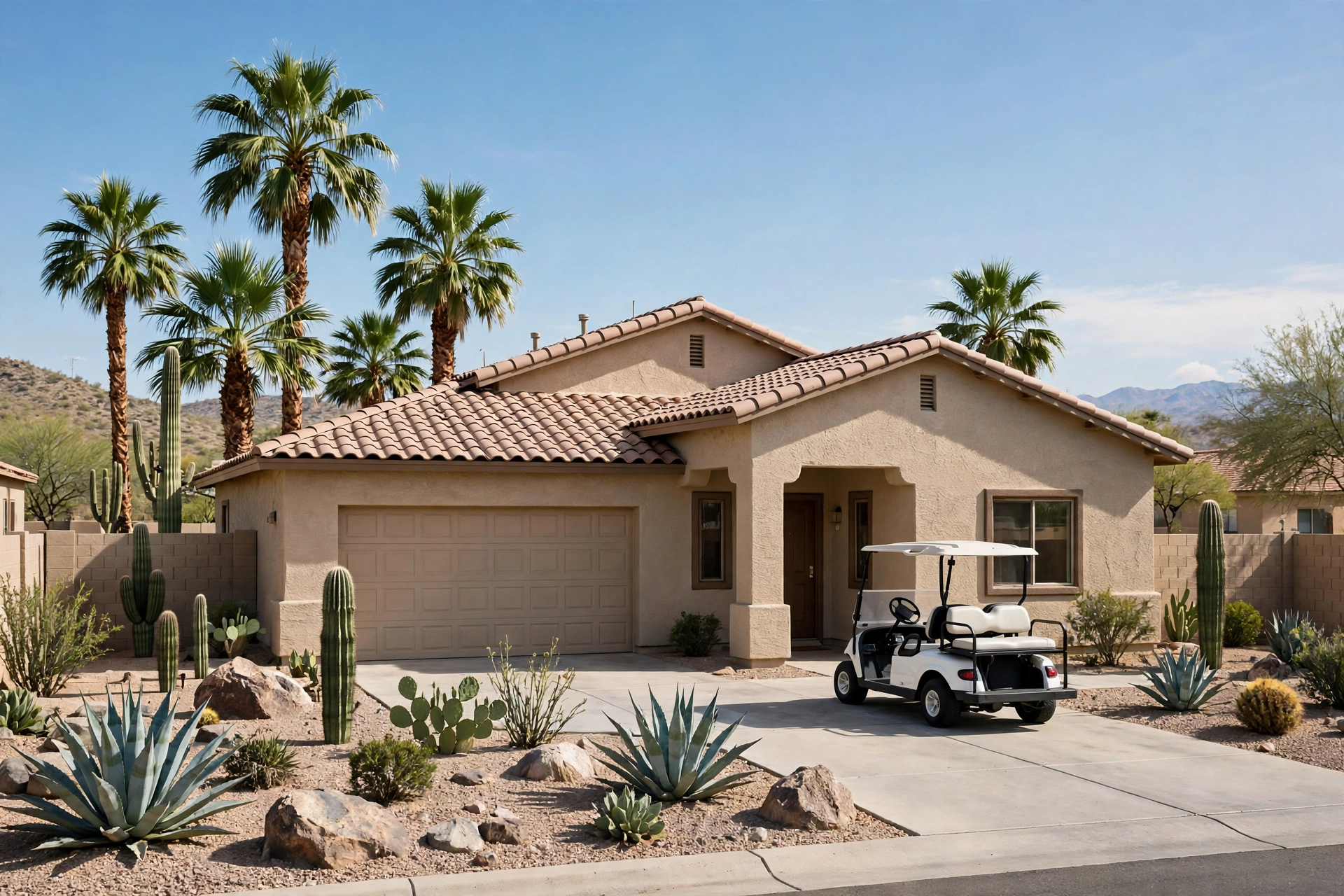
Sun City West opened in 1978 as Del Webb's next generation community, a full generation after the original Sun City, and construction continued through the late 1990s until the community reached full buildout. That later start shows in the housing stock: wider lots, larger primary suites, two car and extended garages, and floor plans that give a guest wing or an Arizona room more breathing space. A water heater in one of these homes may serve two full bathrooms, a laundry room, and a kitchen spread across a longer single level footprint. The extra distance between fixtures matters, because hot water must travel farther to reach the farthest tap.
Build years still span nearly twenty years, so a home near R.H. Johnson Recreation Center may date to the early 1980s while a home on a later street dates to the mid 1990s. Each era brought different pipe materials, heater placements, and remodel histories, and many homes have since gained updated kitchens, bathrooms, or enclosed patios. A contractor cannot assume that two similar looking houses share the same plumbing, and a site visit that reads the data plate, traces visible pipe, and asks about past updates prevents wrong assumptions. Age of the heater itself, rather than age of the house, remains the most useful number for planning.
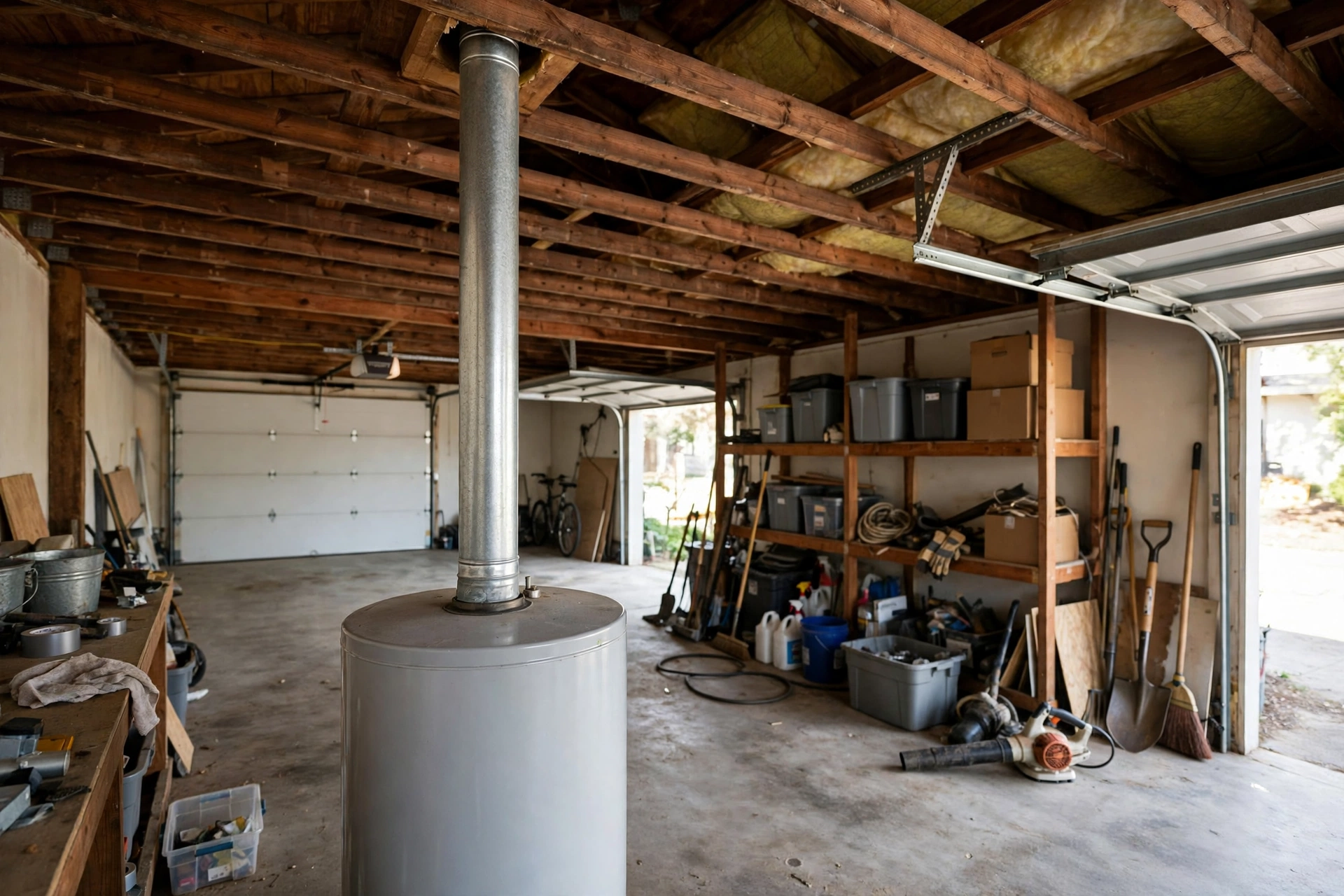
Roomier plans also mean more storage around the heater, with golf clubs, hobby supplies, seasonal decorations, and workshop tools sharing garage space. That clutter can hide a slow drip, block access to shutoff valves, and restrict airflow around a gas burner or a heat pump unit. Clearing a working area around the heater before a visit lets a contractor inspect the base, connections, relief valve, and drain path without shifting boxes. Homeowners who keep that corner visible through the year tend to spot mineral crust, damp spots, and rust stains far earlier than those who discover them during a move or a remodel.
Not Sure What Your Water Heater Needs?
Describe the symptoms and request service anywhere in Peoria and the West Valley.
R.H. Johnson Mornings and Beardsley Afternoons Shape Water Use
The four recreation centers of Sun City West each anchor a part of daily life: R.H. Johnson with its sports pavilion and bowling center, Beardsley with an indoor pool and arts spaces, Kuentz with an outdoor pool and activity rooms, and Palm Ridge with multiple pools and a large social hall. Residents move between centers by car or golf cart for classes, clubs, swimming, pickleball, and social events, often showering at a center as well as at home. Home hot water use therefore clusters around early mornings and evenings, with long quiet stretches in between. A heater that recovers slowly may keep up with that pattern for a long time, hiding wear until a guest week or a laundry catch up day reveals it.
Golf weaves through the same routine, with regulation courses like Grandview, Trail Ridge, Pebblebrook, and Deer Valley alongside executive courses like Stardust, Echo Mesa, and Desert Trails. A morning round followed by lunch and an afternoon class leaves the home heater idle for hours, then draws on it for an evening shower and dishes. That on and off rhythm differs from a family home where demand stays high all day, and it changes how symptoms appear. Temperature swings that show up only after a long idle stretch may reflect cooling in pipe runs rather than a heater fault, while swings that appear during steady use point more directly at the unit.
Describing a typical day helps a contractor interpret symptoms accurately. A homeowner who swims at Beardsley most mornings, golfs twice a week, and hosts grandchildren during school breaks uses hot water very differently from a neighbor who stays home most days with a full laundry schedule. Neither pattern is better or worse for a heater, but each one stresses different parts of the system. Noting when hot water feels short, which bathroom is affected, and what else was running at the time turns a vague complaint into a useful diagnostic clue.
Hot Water Trouble at Home?
Tell us what your unit is doing and request service.
Palm Ridge Evenings and Guest Visits That Test an Older Tank
Palm Ridge Recreation Center draws evening crowds for concerts, dances, club meetings, and social gatherings, and winter in Sun City West brings a fuller social calendar as seasonal residents return and guests arrive. A guest visit that lasts a week or more changes home water use dramatically, adding daily showers, extra laundry, and a kitchen that runs longer hours. An older tank that serves a couple comfortably may struggle when two guests join the household, with recovery time becoming the bottleneck. The first shower feels fine, the second feels cooler, and the third arrives before the tank has fully reheated.
Guest bathrooms that sit unused for months add a second wrinkle. Water in a rarely used pipe run cools and sits, so the first guest to use that bathroom waits longer for hot water and may notice an unusual odor or discoloration on first use. Running each guest tap briefly before visitors arrive, checking that hot water reaches the far bathroom, and noting any persistent odor or tint helps a homeowner distinguish a stale pipe run from a heater problem. If odor or tint persists after the lines have been flushed through normal use, a contractor inspection is the sensible next step.
Planning for winter guests starts in the quieter months, when a flush, an anode check, and a thermostat check can be arranged without competing with holiday schedules. A tank near the end of the 6 to 10 year Arizona range deserves an honest conversation about remaining life before guests depend on it daily. A local contractor can test recovery, inspect the base and connections, and discuss whether maintenance will carry the unit through the season or whether replacement should happen first. That conversation is far calmer in autumn than in the middle of a house full of visitors.
Wondering Whether to Repair or Replace?
Request service and get a straight answer about your unit.
Grandview Fairways, Walled Patios, and Heaters in the Garage
Grandview Golf Course is one of the well known fairways in Sun City West, and homes along its edges enjoy views of greens, mature trees, and desert landscaping behind walled patios. Walled patios create private outdoor rooms for morning coffee, evening meals, and visits with neighbors, while the garage remains the workhorse space for cars, carts, storage, and the water heater. In summer, that garage absorbs intense heat, with temperatures pushing past 110 degrees on the hottest days. A heater stored in that air faces thermal stress from the outside at the same time hard water scales it from the inside, a pairing that shortens tank life across the Valley.
Walled patios and courtyard entries also affect how a replacement unit reaches the garage, because gates, narrow side passages, and landscaping can limit the path for removing an old tank and bringing in a new one. A contractor visiting a fairway home notes gate widths, turns, and any steps between the street and the garage before suggesting a unit size. A tank that fits the garage bay but cannot pass through the gate creates an avoidable delay, while a wall mounted tankless unit may solve both the space and the access puzzle at once. Measurements taken on site, rather than estimates from a floor plan, settle those questions.
Garage heaters near fairways also collect dust blown in from open desert and golf course maintenance, settling on vents, burners, and controls. Dust buildup can affect burner behavior on gas units and airflow on any type of heater, so keeping the area around the unit clear and checking vents periodically supports reliable operation. A maintenance visit includes a look at the surroundings as well as the unit itself, checking for stored chemicals, blocked vents, and items leaning against the tank. Routine water heater maintenance keeps both the heater and its garage environment in view.
Seeing Leaks, Rust, or Strange Noises?
Do not wait for a small fault to flood the garage. Request service now.
Lock and Leave Travel and Summer Shutdown Habits in Sun City West
Sun City West is well suited to lock and leave living, with patio homes and single level plans designed for residents who travel for weeks or months at a time. A house left empty through summer needs a heater plan, because a slow leak can spread across a garage floor, soak drywall, and damage flooring long before anyone returns to notice it. Water sitting idle in a tank through months of heat can also develop odor and sediment patterns that surprise a returning owner on the first morning back. A shutdown routine agreed before departure, plus a restart check on return, protects both the heater and the house around it.
Shutdown choices depend on absence length, heater type, and whether a neighbor, friend, or local contractor will check the house during the trip. Some households lower the thermostat to a vacation setting and leave the water supply open, others close the supply valve to the heater, and others arrange regular walk through checks that include a glance at the heater area. The right combination balances leak risk, stagnant water, and valve condition, and it deserves a conversation rather than a guess. The seasonal overview of summer shutdown habits for snowbird heaters lays out those tradeoffs for West Valley travel patterns.
Leak detectors add a layer of warning for an empty house, alerting an owner away from home when water appears where it should not. Placement near the heater base, the washing machine connections, and any water softener gives the earliest warning, though detectors work well alongside shutoff habits and periodic human checks. A contractor can advise on placement during a visit, confirm the heater drain pan and relief discharge path, and check that shutoff valves turn easily before a long absence. The guide to leak detectors for homeowners who travel explains what detectors can and cannot do on their own.
Related: Summer Shutdown Habits for Snowbird Heaters, Leak Detectors for Homeowners Who Travel
Planning a New Water Heater?
Request service and talk through sizing, fuel type, and placement.
Trail Ridge and Pebblebrook Streets With Different Heater Histories
Trail Ridge and Pebblebrook are two of the regulation golf courses that shape street layouts in Sun City West, with homes curving around fairways, lakes, and greenbelts in a pattern that rewards walking, cart travel, and neighborly visits. Two houses on the same street can hold very different heater histories: one may have a tank installed five years ago after a planned replacement, while the next may still run a unit installed more than a decade ago with only occasional attention. Remodels, additions, and ownership changes layer further differences onto the original construction, so street level generalizations help no one. Each home earns its own assessment based on data plate age, visible condition, and household use.
Corte Bella adds a distinct note inside the broader Sun City West footprint, as a separate gated 55 plus community with its own private course and its own character. Homes there share the same hard water and garage heat as the rest of the area, but their layouts, lot sizes, and community patterns differ from the surrounding Del Webb streets. A contractor visiting Corte Bella follows the same inspection logic as elsewhere: check the unit, the connections, the space, and the household demand, without assuming that a neighbor's heater answer applies. Local knowledge helps with directions and access, while the heater decision itself stays rooted in the individual house.
Heater history also includes the small details that owners remember and paperwork forgets: a relief valve that dripped one summer and then stopped, a pilot that needed relighting twice in one winter, a flush performed years ago by a previous owner. Those fragments, shared during a visit, often explain a symptom that looks puzzling in isolation. A homeowner who keeps a simple note of heater age, past visits, and observed changes gives a contractor a head start. Even a brief list on paper, kept near the heater or in a household folder, turns a first visit into an informed conversation rather than a cold start.
Want a Second Opinion on Your Unit?
Request service and describe what your water heater is doing.
Hard Water Wear On Sun City West Elements and Burners
Valley water commonly runs 15 to 25 grains per gallon, placing Sun City West firmly in very hard territory, where calcium and magnesium leave scale wherever water is heated. In an electric tank, scale coats heating elements, insulating them from the water and forcing longer heating cycles that wear elements and thermostats. In a gas tank, sediment settles at the bottom and forces the burner to heat through a mineral layer, creating hot spots that stress the tank lining. In a tankless unit, scale narrows the heat exchanger passages and reduces both flow and heat transfer. The mineral is the same in every case, but the damage pattern follows the heater type.
Homeowners notice hard water wear through sound, temperature, and appearance before a failure arrives. An electric unit with scaled elements may heat slowly, deliver lukewarm water at peak times, or trip a reset more often than it once did. A gas unit with sediment may rumble, pop, or take noticeably longer to recover after showers. Rust tint at hot taps, a gritty feel to hot water, or mineral crust at the relief valve all suggest that scale and corrosion have advanced. Each sign deserves a look, because early attention can extend a sound unit while late attention often meets a tank that has already begun to leak.
Response to hard water combines flushing, descaling, anode checks, and a conversation about softening, with each step matched to heater type and household use. Electric units benefit from element and thermostat checks alongside flushing, while gas units benefit from burner and vent inspection alongside sediment removal. Tankless units need descaling on a rhythm set by use and hardness, as explained in the descaling guide linked from other West Valley pages. A contractor tailors the plan to the unit in front of them, rather than applying a single routine to every heater on the street. For gas households, gas water heater repair notes how burner and ignition checks fit into that plan.
Not Sure What Your Water Heater Needs?
Describe the symptoms and request service anywhere in Peoria and the West Valley.
Choosing Between Tank and Tankless For Sun City West Homes
The tank versus tankless choice in Sun City West turns on space, demand pattern, fuel, and maintenance habits more than on any single feature. A tank unit offers familiar operation, a known footprint, and straightforward replacement when the existing connections suit the same size and fuel. A tankless unit offers wall mounted space savings and continuous heating for back to back showers, provided flow capacity matches simultaneous demand and descaling stays on schedule. A couple with steady routines and occasional guests may find either path workable, while a household with frequent visitors and stacked showers needs a closer look at peak flow before deciding.
Garage layout often tips the decision. A garage with ample floor space, clear venting, and easy drain access suits a tank replacement with minimal changes, while a crowded garage with a golf cart, workshop, and storage may benefit from opening up floor space with a wall mounted unit. Fuel type matters too, since switching from electric to gas or the reverse can involve venting, gas supply, or electrical changes that need a site assessment. Heat pump units present a third path for some garages, using surrounding air to heat water, with airflow and clearance needs that deserve a careful look in a hot Valley garage. The garage focused discussion of heat pump units in Arizona garages covers those layout questions.
Desert Valley Water Heater Pros connects Sun City West homeowners with independent local plumbing contractors who can walk the garage, measure the space, and talk through tank, tankless, and heat pump paths without pressure toward any one answer. Requesting service while the current heater still works leaves time for that measured conversation, including a check of the expansion tank, relief valve, and shutoff valves that support any new unit. A planned change, made with full information about the house and the household, serves the next decade of mornings far better than a hurried swap made after a leak.
Related: Water Heater Maintenance for West Valley Homes, Water Heater Repair in Sun City, Leak Detectors for Homeowners Who Travel, Request Service
Hot Water Trouble at Home?
Tell us what your unit is doing and request service.
Water Heater Questions in Sun City West?
Tell us what your unit is doing and where you are, and we will help arrange the next step.
How is a Sun City West heater different from one in the original Sun City?
Sun City West homes were built from 1978 to 1997, a generation later than the original Sun City homes from 1960 to 1978, so the housing stock is newer and generally larger with roomier floor plans and larger lots. Heaters still face the same very hard water and summer garage heat, and travel rhythms affect both communities. The practical difference lies in layout and age: longer pipe runs in larger homes, different remodel histories, and heater ages that reflect later construction and later replacements. Each home still needs its own data plate check and inspection.
What should I check before leaving a Sun City West home empty for the summer?
Walk the heater area and note any moisture, rust, mineral crust, or dripping at valves and connections before departure. Confirm that shutoff valves turn easily, that the drain pan and relief discharge path are clear, and that leak detectors near the heater and laundry have fresh batteries or power. Agree on a thermostat setting and water supply plan with a local contractor, and arrange for a trusted person to check the house periodically. On return, inspect the heater area first, run taps briefly, and confirm hot water temperature before settling back into a normal routine.
Why does hot water arrive slowly at a back bathroom in a larger Sun City West home?
Distance is the usual reason, because a back bathroom at the far end of a long single level plan sits at the end of an extended pipe run from the garage heater. Water in that run cools between uses, so the cold water must clear before hot water arrives, and the wait grows longer when the bathroom has sat unused. Missing insulation on exposed garage pipe and a layout that routes hot water around additions can add delay. A contractor traces the run, checks insulation, and discusses whether a recirculation approach or a layout adjustment fits the home.
Is 120 degrees the right thermostat setting for a Sun City West home?
A setting of 120 degrees suits most households, providing hot showers and effective dishwashing without pushing the tank hotter than needed. Higher settings accelerate mineral precipitation and tank corrosion in hard water, and they raise scald risk at taps, a particular concern for older adults and visiting grandchildren. Some households have a specific reason to run hotter, such as a dishwasher without its own heater, and that tradeoff deserves a conversation. A contractor checks delivered temperature at a tap during a visit and talks through whether the current setting fits the household.
What signs suggest a Sun City West tank needs attention before winter guests arrive?
Rumbling or popping during heating, rust tinted water at hot taps, showers that cool sooner than they did last season, and any moisture at the tank base all suggest attention is due. A tank age near or past ten years, a relief valve that drips, or a thermostat that no longer holds steady temperature strengthens the case for a pre season visit. Noting which symptoms appear, when they began, and whether guests will increase demand helps a contractor judge urgency. Acting on those signs in autumn leaves time for repair or planned replacement before the house fills.
Can I keep a working older tank, or should age alone prompt replacement?
Age alone rarely decides the question, because a well maintained tank with a sound lining, a healthy anode rod, and no leaks can serve beyond the typical range, while a neglected younger tank can fail early. Condition matters more: rust through the jacket, persistent moisture at the base, heavy sediment that flushing cannot clear, and repeated component faults all point toward replacement. A contractor inspection that checks age, anode condition, sediment, connections, and recovery gives a clear picture. Keeping a working tank with a plan for monitoring differs greatly from ignoring warning signs until a leak arrives.
Water Heater Questions in Sun City West, Answered
Not seeing your question? Request service and tell us what your unit is doing.
Request Service