Goodyear Water Heater Repair For Estrella, Palm Valley, and Beyond
Goodyear started as a Goodyear Tire and Rubber cotton farm in 1917, but the city most residents know arrived much later, with the majority of construction and population growth happening after 1990. Interstate 10 runs east to west through the city, Loop 303 heads north from the freeway toward Glendale and Surprise, and Estrella Parkway and Bullard Avenue carry local traffic between the communities. Goodyear Ballpark hosts Cleveland Guardians and Cincinnati Reds spring training each February and March, the Estrella Mountains frame the southern horizon, and Estrella Mountain Regional Park holds roughly 20,000 acres of desert trails at the city's southern edge.
Serving Goodyear, AZ 85338
Housing in Goodyear is organized around master planned communities. Estrella, the largest at about 20,000 acres, sits south of Interstate 10 near the Estrella Mountains with lakes, trails, and mountain views. Palm Valley covers about 9,000 acres north of the freeway with golf course areas and established neighborhoods. PebbleCreek serves active adult residents with golf, fitness centers, and restaurants, and Canyon Trails adds family neighborhoods near Loop 303. Most of this housing dates from the 2000s onward, which means many original tanks are now reaching the age where hard water shows its work. Valley water commonly runs 15 to 25 grains per gallon, garage temperatures pass 110 degrees in summer, and a tank commonly lasts 6 to 10 years. That combination makes water heater maintenance a habit worth starting early, not a chore to postpone until the showers run cold.
Estrella Foothills Homes and Long Runs to the Tap
Estrella sits in the foothills south of the Gila River, and its homes spread across a large, scenic footprint with lakes, trails, and generous lots. That spaciousness shows up inside the house as long pipe runs from the garage to the farthest bathroom. A water heater in an Estrella garage may serve a primary suite at the opposite end of a rambling single story plan, and the wait for hot water can stretch past a minute on a cool morning. The heater is often doing its job, the water simply has far to travel.
Long runs also waste water while the tap runs cold, which bothers homeowners who watch their usage. The practical answers start with diagnosis: a contractor checks recovery at the unit to confirm the heater itself is healthy, then looks at the pipe layout to see how much of the wait is distance. If distance is the answer, a recirculation loop is usually the fix, and the home's plumbing layout decides whether a dedicated loop or a retrofit approach fits better.
Estrella homes also tend to hold more bathrooms than the Valley average, with guest suites and casitas adding fixtures that sit unused for weeks and then see heavy use when visitors arrive. A tank sized for everyday life can stumble when every bathroom runs at once. The recirculation pump guide explains how a loop shortens the wait, and a sizing conversation covers the guest load honestly. Both belong in the same visit, since slow water and short supply often travel together.
Not Sure What Your Water Heater Needs?
Describe the symptoms and request service anywhere in Peoria and the West Valley.
Palm Valley Kitchens, Bathrooms, and Morning Hot Water Rushes
Palm Valley sits north of Interstate 10, with established neighborhoods, golf course areas, schools, and shopping within easy reach of Loop 303. The homes here are family homes, and family homes live by the morning rush: two showers running, the dishwasher going, and someone starting laundry before the school run. A tank that recovers slowly cannot keep up with that stack, and the last shower of the morning suffers for it. The complaint usually arrives as lukewarm water, but the cause is recovery speed meeting peak demand.
Recovery speed depends on the burner or the elements, the thermostat, and the sediment layer insulating the bottom of the tank. A gas unit with a clean burner and a clear tank floor recovers noticeably faster than the same unit choked with scale. An electric unit with a failed lower element recovers at a fraction of its normal pace, since only the upper element carries the load. A contractor can test recovery directly, which separates a sediment problem from a parts problem in one visit.
Palm Valley's established housing stock means many homes are on a second tank already, and the replacement decision often comes up during a routine visit rather than a crisis. That is the better way around. A homeowner who knows the tank's age can plan the swap, compare tank and tankless options, and schedule the work before the morning rush turns into a cold shower routine. A water heater replacement planned in advance also leaves room to confirm the expansion tank and shutoff valves are sound.
Hot Water Trouble at Home?
Tell us what your unit is doing and request service.
PebbleCreek Active Adult Homes and Steady Hot Water Needs
PebbleCreek is a community for active adult living, with 54 holes of championship golf, fitness centers, and restaurants, and its households use hot water in a steadier pattern than a family home. Showers spread through the day, laundry runs on a regular rhythm, and demand spikes are rare. That gentle pattern is kind to a water heater, and tanks in PebbleCreek often reach the upper end of their expected life when they get basic care. Gentle use does not stop sediment, though, and it does not stop the anode rod from corroding.
Part year living is common in active adult communities, and a home that sits empty for weeks needs the same seasonal care as any snowbird household. Water stagnates, sediment settles, and a small leak can run unnoticed in a closed garage. A leak detector near the heater, a lowered thermostat setting, and a trusted neighbor who looks in now and then form a simple safety net. The snowbird shutdown guide covers the routine step by step.
Smaller households sometimes wonder whether a smaller tank makes sense at replacement time, and the answer depends on guests as much as on daily life. A couple that hosts grandchildren for a week each summer needs more capacity than their quiet weeks suggest. The contractor's sizing questions should cover the busiest week of the year, not just the average Tuesday, so the replacement serves the household at its fullest as well as its quietest.
Wondering Whether to Repair or Replace?
Request service and get a straight answer about your unit.
Why Large Goodyear Floor Plans Test Tank Capacity
Goodyear's newer subdivisions favor generous floor plans: four or five bedrooms, three or more bathrooms, a laundry room upstairs or at the far end of the house, and sometimes a guest suite with its own bath. Each bathroom adds a shower that can run at the same time as the others, and the tank must serve them all at once during the morning peak. A tank chosen for a three bedroom home struggles in a five bedroom home, even if nothing is broken, because the demand simply exceeds what the unit can store and recover.
The math is straightforward once it is laid out. Count the showers that run in the busiest hour, add the dishwasher and the laundry if they run then too, and compare the total with the tank's usable capacity after sediment takes its share. Most homeowners have never done that exercise, and most are surprised by the result. The sizing guide for large households walks through it without jargon, and a contractor can apply it to the specific home during a visit.
Tankless units answer the capacity question differently, by heating on demand rather than storing, but they answer it only if sized for simultaneous flow. A tankless unit rated for two showers at once will disappoint a household that runs three. Whether the answer is a larger tank or a properly sized tankless unit, the sizing conversation should happen before installation, with the household's real patterns on the table. Guessing at capacity is how a new heater ends up disappointing on its first busy morning.
Seeing Leaks, Rust, or Strange Noises?
Do not wait for a small fault to flood the garage. Request service now.
Recirculation Pumps and the Wait for Hot Water
A recirculation pump keeps hot water moving through a loop so that hot water waits near the tap instead of at the heater. Open the tap and warm water arrives in seconds rather than after a long cold run. For a large Goodyear home with distant bathrooms, that change feels dramatic, and it ends the daily waste of running the tap while the pipe clears. The pump itself is a modest device, usually installed at the heater or at the farthest fixture, and it runs on a timer, a thermostat, or an on demand control.
The control choice matters. A timer that runs the pump during morning and evening routines covers most households without circulating water all night. An on demand control, triggered by a button or a motion sensor, circulates only when someone actually needs hot water, which suits households with irregular schedules. A contractor can explain the options in the context of the home's layout, since the plumbing determines what kind of loop is practical and where the pump should sit.
Recirculation is not a cure for a failing heater, and it should not be sold as one. If the tank recovers slowly or runs out during normal use, the heater needs attention first, and the pump comes second. A visit that checks the heater's health before discussing the loop keeps the priorities straight. Homeowners who want the background can read the recirculation guide for large homes before the visit, then discuss the layout with the contractor.
Planning a New Water Heater?
Request service and talk through sizing, fuel type, and placement.
Descaling Schedules That Keep Tankless Units Working
Goodyear's newer subdivisions hold a growing share of tankless units, installed by builders and by homeowners who wanted endless hot water for large households. Every one of them faces the same hard water, and the heat exchanger inside a tankless unit is where that water does its damage. Scale builds in thin layers that narrow the passages and insulate the metal from the water, forcing the burner to run hotter and longer. Left alone, the unit loses efficiency, swings temperature, and eventually faults out.
Descaling reverses that buildup by circulating a cleaning solution through the heat exchanger, dissolving the scale and restoring flow. The schedule that keeps a unit healthy in Valley water is regular rather than occasional, and a contractor can set the interval based on household use and the hardness the unit actually sees. A yearly rhythm is a common starting point, with heavier use needing more frequent attention. The key is treating descaling as scheduled care, like an oil change, rather than a rescue attempt after the unit faults.
Homeowners sometimes notice the early signs and explain them away: a shower that takes longer to warm, a temperature that wavers, a unit that needs a reset now and then. Those are scale symptoms, and they respond to descaling if caught early. The descaling guide for hard water explains the process, and a tankless service visit can confirm whether scale or a sensor sits behind the symptom.
Want a Second Opinion on Your Unit?
Request service and describe what your water heater is doing.
Summer Garage Temperatures and What They Do to Tanks
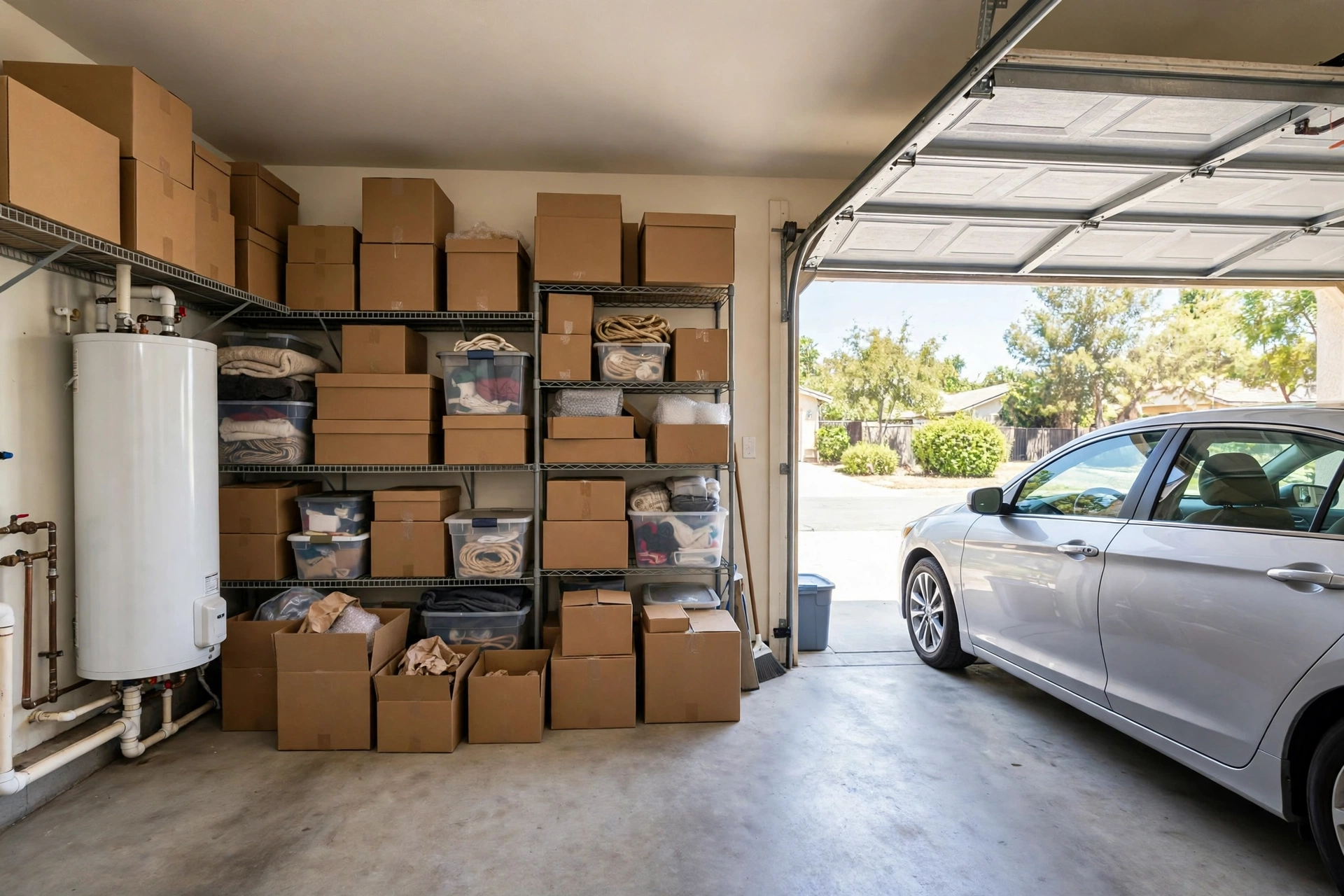
A Goodyear garage in July is an oven, with temperatures climbing past 110 degrees and staying there through the afternoon. The water heater stands in that heat all summer, and the heat accelerates the chemistry inside the tank. Sediment bakes harder, seals age faster, and the relief valve cycles through more expansion events as the system heats and cools. The tank does not fail from the heat alone, but the heat shortens the margin that maintenance and good water would otherwise provide.
Heat pump water heaters deserve a mention here, because they interact with garage heat differently than a standard tank. A heat pump unit pulls warmth from the surrounding air to heat the water, which means a hot garage actually helps it work, while also cooling and dehumidifying the garage space as a side effect. That trade suits some Goodyear homes well, especially larger garages with room for airflow around the unit. The heat pump guide for Arizona garages explains the fit in more detail.
Ventilation and clearance matter for every heater type in a hot garage. A gas unit needs clear airflow for combustion and venting, and boxes stacked against the unit choke that airflow while hiding leaks. An electric unit needs its thermostats and wiring kept clear of stored items and dust. Keeping the area around the heater open, sweeping dust away from vents and burners, and checking the concrete for dampness are small habits that help across a long, hot summer.
Related: gas water heater repair in Goodyear, electric water heater repair in Goodyear
Not Sure What Your Water Heater Needs?
Describe the symptoms and request service anywhere in Peoria and the West Valley.
Choosing Between Tank and Tankless in a Newer Subdivision
The tank versus tankless choice in a newer Goodyear subdivision usually comes down to household patterns rather than brand loyalty. A household with steady, predictable demand and a modest fixture count often does well with a tank, which is simpler, familiar, and forgiving of irregular maintenance. A household with sharp demand spikes, many bathrooms, and a willingness to keep up with descaling often prefers tankless, which never runs a stored supply dry. Neither choice is right for everyone, and the wrong choice usually comes from skipping the sizing conversation.
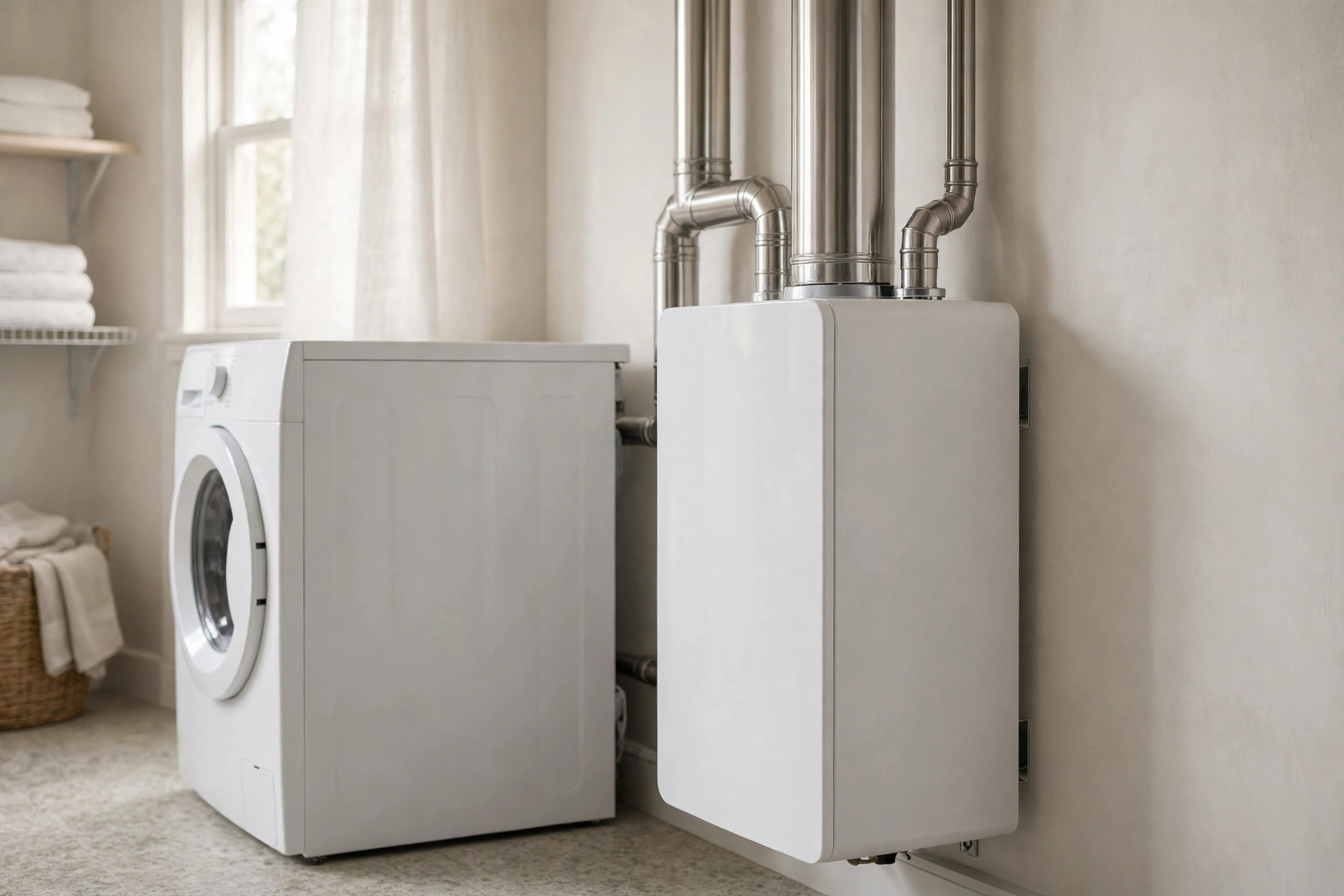
Space and fuel shape the decision too. A tank needs floor space and a drain pan location, while a tankless unit mounts on a wall and needs venting and a fuel supply sized for its peak draw. Homes with the heater on an exterior garage wall adapt to tankless more easily, while homes with the unit deep inside may face a longer vent run. A contractor can assess the garage layout, the gas line or electrical capacity, and the venting route, then lay out what each option actually involves for that specific home.
Desert Valley Water Heater Pros connects Goodyear homeowners with independent local plumbing contractors for exactly this kind of decision, from a first assessment through installation and ongoing care. Bring the tank's age, a note about the symptoms, and an honest picture of the household's busiest hour. Those three facts let the contractor recommend a unit that fits the home as it lives, not just the space the old unit occupied. Request service when ready, and keep the path to the heater clear for the visit.
Related: water heater repair in Avondale, water heater help across Peoria and the West Valley, sizing a water heater for a large household, request service
Hot Water Trouble at Home?
Tell us what your unit is doing and request service.
Water Heater Questions in Goodyear?
Tell us what your unit is doing and where you are, and we will help arrange the next step.
How do I size a water heater for a large Goodyear home?
Start by counting the hot water demand in the busiest hour: showers running at once, plus the dishwasher and laundry if they run then too. Compare that total with the usable capacity of the tank after sediment takes its share, or with the flow rate of a tankless unit at the needed temperature rise. A contractor can apply that math to the specific home, including bathroom count and guest patterns, and recommend a size with headroom for busy days.
Will a recirculation pump fix slow hot water in Estrella?
If the heater itself recovers well and the delay comes from a long pipe run, a recirculation pump usually fixes it by keeping hot water near the tap. If the heater runs out or recovers slowly, the heater needs attention first, since a pump cannot create hot water the tank does not have. A contractor can test recovery at the unit, trace the pipe layout, and confirm whether a loop fits the home's plumbing.
How often should a tankless unit be descaled in Goodyear?
A yearly descaling rhythm is a common starting point in Valley water, with heavier use needing more frequent service. Scale builds steadily on the heat exchanger, and regular descaling keeps the unit efficient and reliable. A contractor can set an interval based on household use and the unit's condition, and can show the homeowner what the service involves so the schedule stays realistic.
Why is my newer Goodyear water heater already making noise?
Noise in a newer unit usually means sediment is already building on the tank floor, which happens fast in hard water even in a home built recently. Popping and rumbling come from water trapped under the sediment layer flashing to steam. A flush often quiets a young tank, and pairing the flush with an anode rod check keeps the unit on track. Persistent noise after service deserves a closer inspection.
Are heat pump water heaters a good fit for Goodyear garages?
They can be, because a heat pump unit draws warmth from the surrounding air, and a hot Goodyear garage supplies plenty of it. The unit also cools and dehumidifies the garage as it works, which some homeowners welcome. The fit depends on garage size, airflow around the unit, and household demand, so a contractor should assess the space and the hot water pattern before recommending one.
What should seasonal residents do about a water heater before traveling?
Lower the thermostat or use the vacation or pilot setting, shut the water supply to the house if it will sit truly empty, and place a leak detector near the heater. Ask someone trusted to look in on the house, and on return, run the hot taps for a few minutes to flush water that sat in the tank. If the water smells off or runs discolored, a flush and an anode rod check will set things right.
Water Heater Questions in Goodyear, Answered
Not seeing your question? Request service and tell us what your unit is doing.
Request Service