Recirculation Pumps for Large West Valley Homes
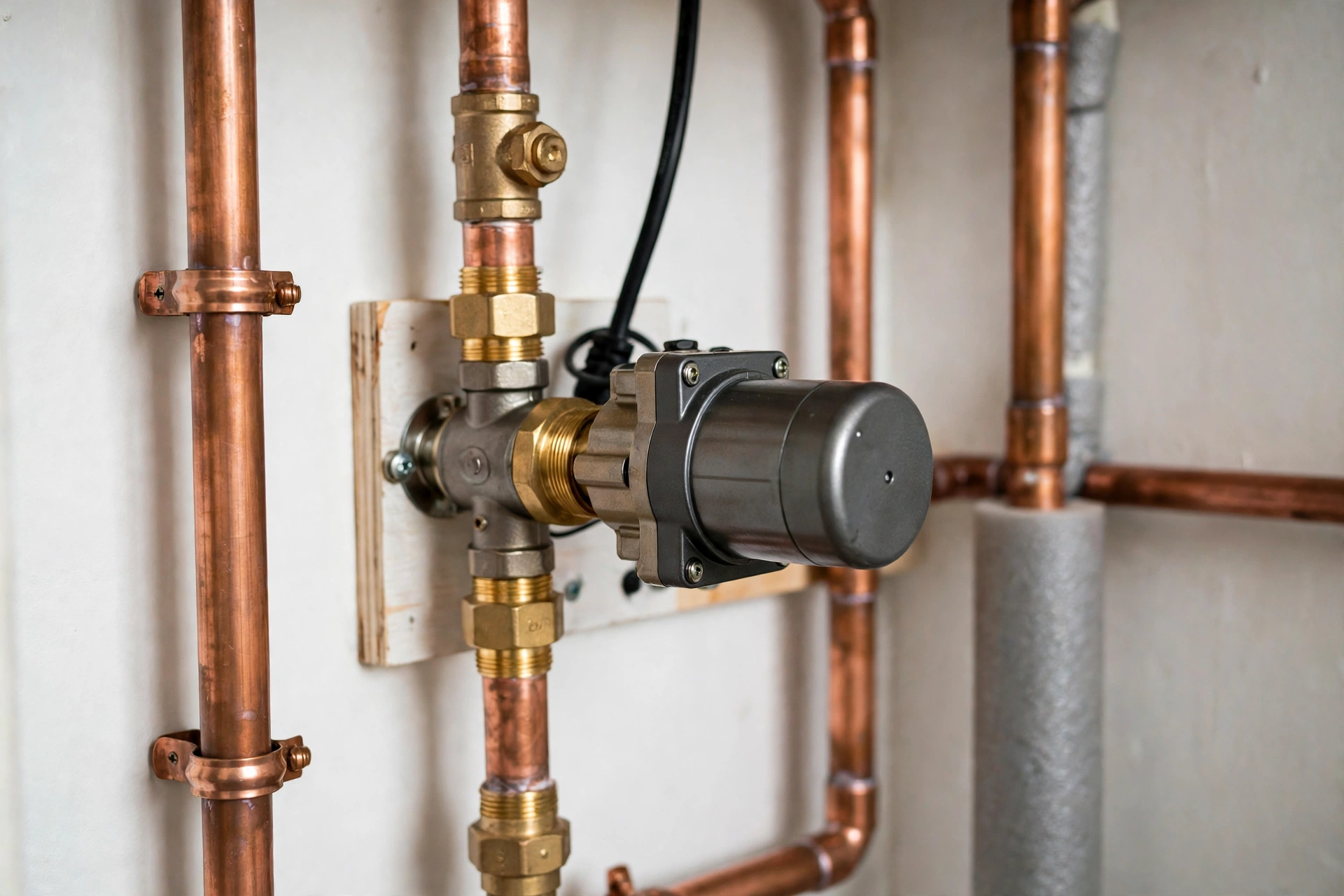
A recirculation pump keeps hot water moving through a loop so it waits near the tap instead of cooling in a lo...
Learn moreVistancia covers 7,100 acres in north Peoria near Surprise, a master planned community that opened in 2004 and keeps adding homes in The Village, Northpointe, and Trilogy at Vistancia. Northpointe, which opened in 2021, sits higher up with mountain views toward White Peak and Twin Buttes, while Trilogy serves 55 plus buyers behind gates. Streets here run wide, lots vary, and floor plans range from patio villas to larger single story homes. That variety means two new homes on the same street can place very different demands on a water heater.
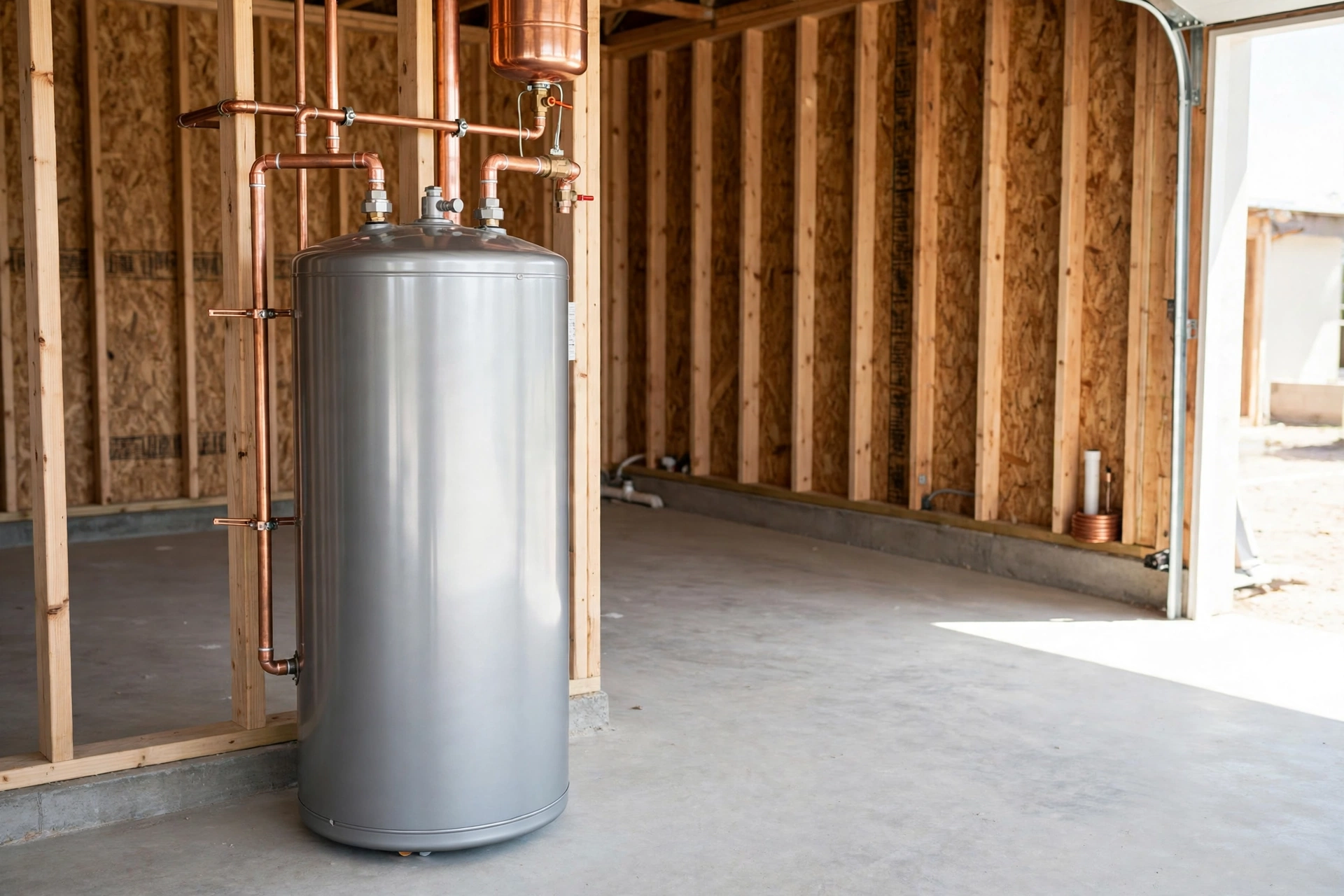
A new build heater feels like a solved problem on move in day. Hot water arrives, showers run warm, and the garage unit hums along out of sight. The first year still teaches useful lessons. Wait times at a far primary suite, recovery after back to back showers, and the sound of the tank during a heating cycle all reveal how the unit fits the household. This post walks through water heater installation realities in new Vistancia homes, from builder grade equipment and pipe length to garage heat and early upkeep.
Builder grade describes equipment chosen to meet a standard plan at scale, not a unit tailored to one household. In a new Vistancia home, that usually means a conventional tank sized for the bedroom and bathroom count on the plan, with standard controls and a standard vent or electrical setup. It meets the needs of many households on day one. It may leave less headroom for a home office shower at midday, a large soaking tub, or frequent guests.
The label does not mean the unit is faulty. It means owners should learn its limits early rather than assume endless hot water. Note how many showers the tank handles before temperature dips, how long recovery takes, and whether the dishwasher or laundry steals heat from a shower. A contractor can translate them into a clear sense of whether the current size fits, or whether a future change deserves planning.
Describe the symptoms and request service anywhere in Peoria and the West Valley.
Larger floor plans stretch the distance between the garage and the farthest tap. A primary suite at the back of the home, a guest bathroom near the front, and a kitchen in the middle can sit on very different pipe lengths. Hot water left in the pipes cools between uses, so the first draw in the morning pushes cool water ahead of it. That wait feels longer in a sprawling plan than in a compact ranch. Sizing and layout questions overlap here, and the notes on sizing a water heater for a large household explain peak demand in plain terms.
Pipe insulation, fixture placement, and recirculation options all shape wait times, and each home answers differently. A short, insulated run to the kitchen behaves nothing like a long run to a detached casita bathroom or a far laundry room. Owners who track which taps wait longest give a contractor useful clues. A pattern that points to one far bathroom suggests a layout answer, while slow hot water at every tap suggests a heater or setting issue instead.
Tell us what your unit is doing and request service.
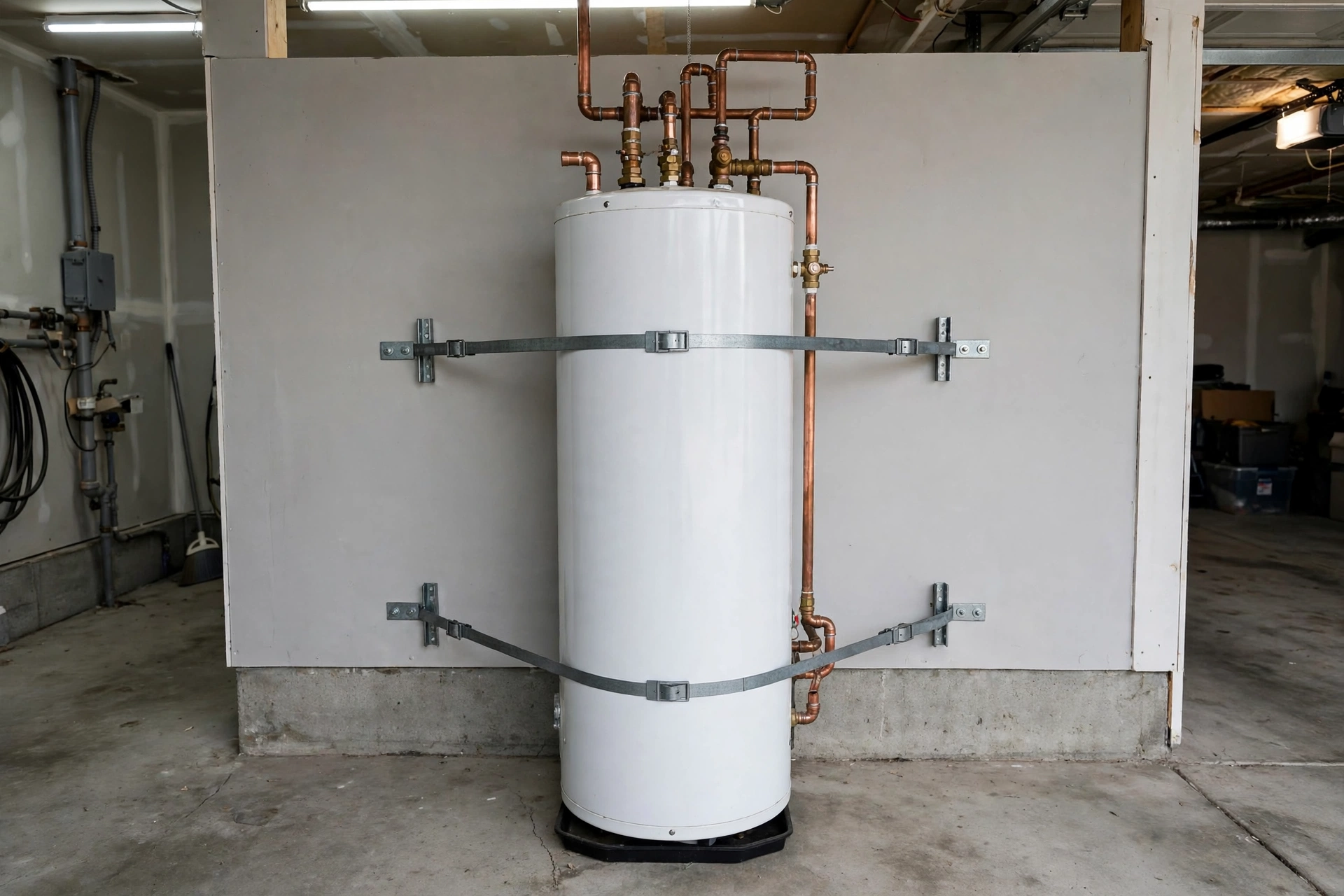
A Vistancia garage in July holds heat long after sunset, and garage air here pushes past 110 degrees in summer. That warm air lightens the work of heating water, since the tank starts from a warmer baseline than it would in a cool basement elsewhere. The same heat stresses seals, wiring insulation, and control parts over time, and dust blown in from nearby desert lots settles where it can dull sensors and vents.
New owners can help a tank by keeping the garage side clear and dry. Storage bins, bikes, and holiday boxes creep toward the heater in a new home, narrowing the space a contractor needs for a flush or a part swap. A quick monthly glance for dampness, rust streaks, or a musty smell near the base catches small changes early. Pair that glance with steady water heater maintenance so sediment and wear do not build quietly during the years when everything still feels new.
Request service and get a straight answer about your unit.
Water across the Phoenix Valley measures 15 to 25 grains per gallon in hardness. In a new tank, minerals begin settling from the first heating cycles, forming a thin sediment layer long before any noise appears. A flush in the first year or two removes that early layer while it is still loose. Waiting until popping sounds start means the layer has already thickened and begun to insulate the tank floor from the heat source.
Thermostat and anode rod checks belong in the same early rhythm. A thermostat set at 120 degrees balances comfort and scald risk for most households, and a rod check reveals how fast local water is wearing the sacrificial metal. For owners weighing a different heater style at replacement time, the notes on heat pump water heaters in Arizona garages explain how warm garage air suits that design.
Do not wait for a small fault to flood the garage. Request service now.
Households change faster than floor plans do. A couple moves in, then a child arrives, then a parent joins the home, then a home gym shower gets daily use. Each change adds hot water draws that the original tank never anticipated. A tankless unit, which heats water as it flows, appeals to some growing households because it removes the stored supply limit, though it brings its own sizing and descaling needs. A tankless water heater installation or repair discussion should start with peak simultaneous use, not with tank size alone.
An upgrade decision also weighs pipe layout, garage space, and venting or electrical needs. A larger tank needs floor space and clearance, while a tankless unit needs a clear wall spot and room for service access. Neither choice suits every Vistancia garage. A contractor who sees the garage and the household routine can outline options that fit the home.
Request service and talk through sizing, fuel type, and placement.
Read the guide, then describe your water heater problem and we will help arrange the next step.
Builder grade units are chosen to fit a standard plan, while replacement units can be chosen around the household living in the home. That difference shows up in tank size, recovery speed, and headroom for guests or added fixtures. A replacement review looks at actual routines, pipe lengths, and garage space before settling on a size.
Start in the first year. A flush removes early sediment while it is still loose, and a thermostat and rod check establish a baseline for local water wear. Early attention also teaches owners what normal sounds, wait times, and recovery feel like, so later changes stand out quickly.
Long pipe runs hold more cooled water between uses, so the first draw must push that water out before hot water arrives. Distance, insulation, and fixture placement all shape the wait. A single slow tap often points to layout, while slow hot water everywhere points to the heater or its settings.
Growth often justifies a sizing review, though a larger tank is only one answer. Peak hour demand, simultaneous showers, and tub size matter more than headcount alone. A contractor can compare a larger tank with a tankless option and weigh garage space, pipe layout, and maintenance needs for the home.
Answers for new build owners learning builder grade limits, pipe runs, and desert garage wear.
Request ServiceA recirculation pump keeps hot water moving through a loop so it waits near the tap instead of cooling in a lo...
Learn more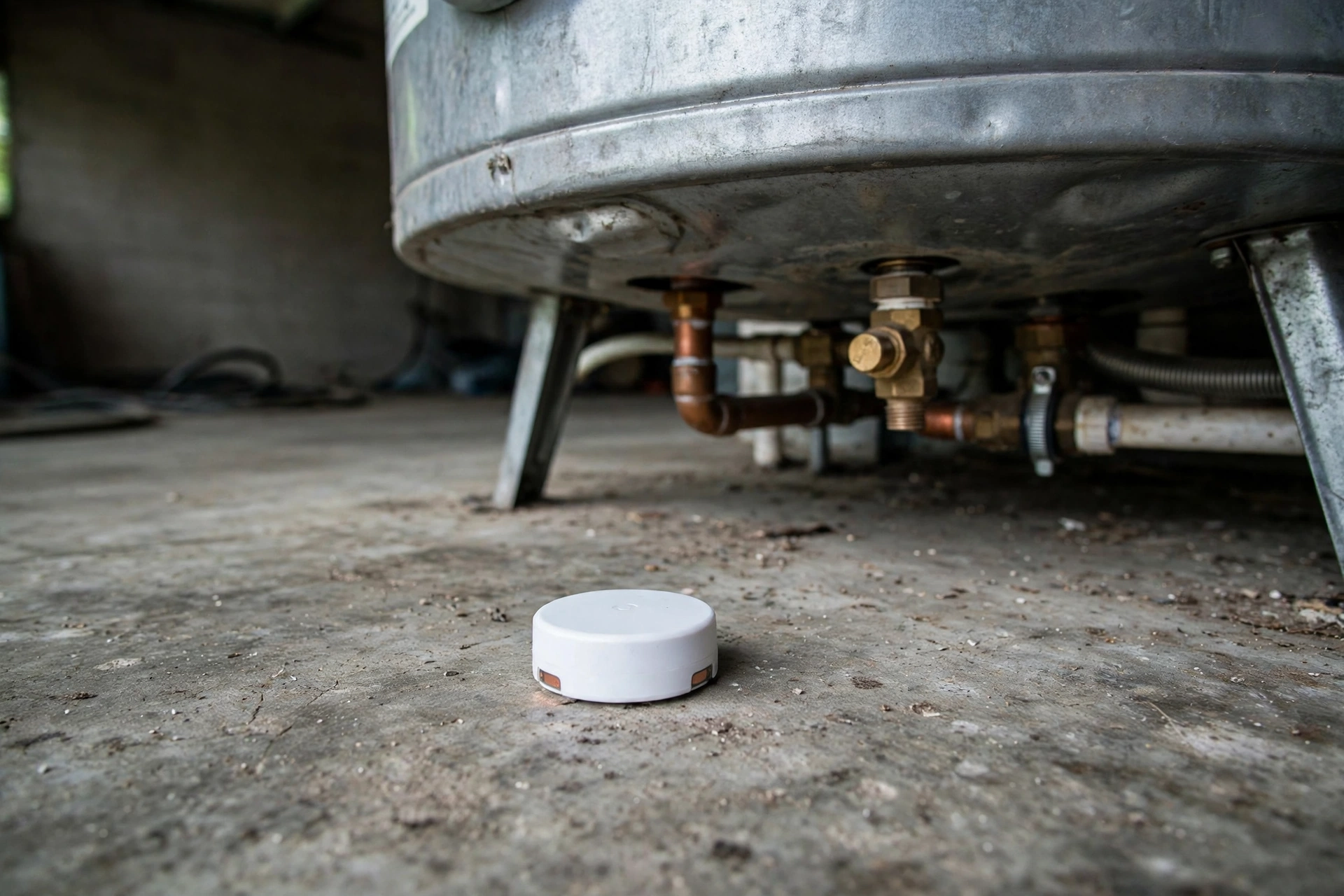
Smart leak detectors watch for water where it should not be, using floor sensors, flow monitoring, or both, an...
Learn more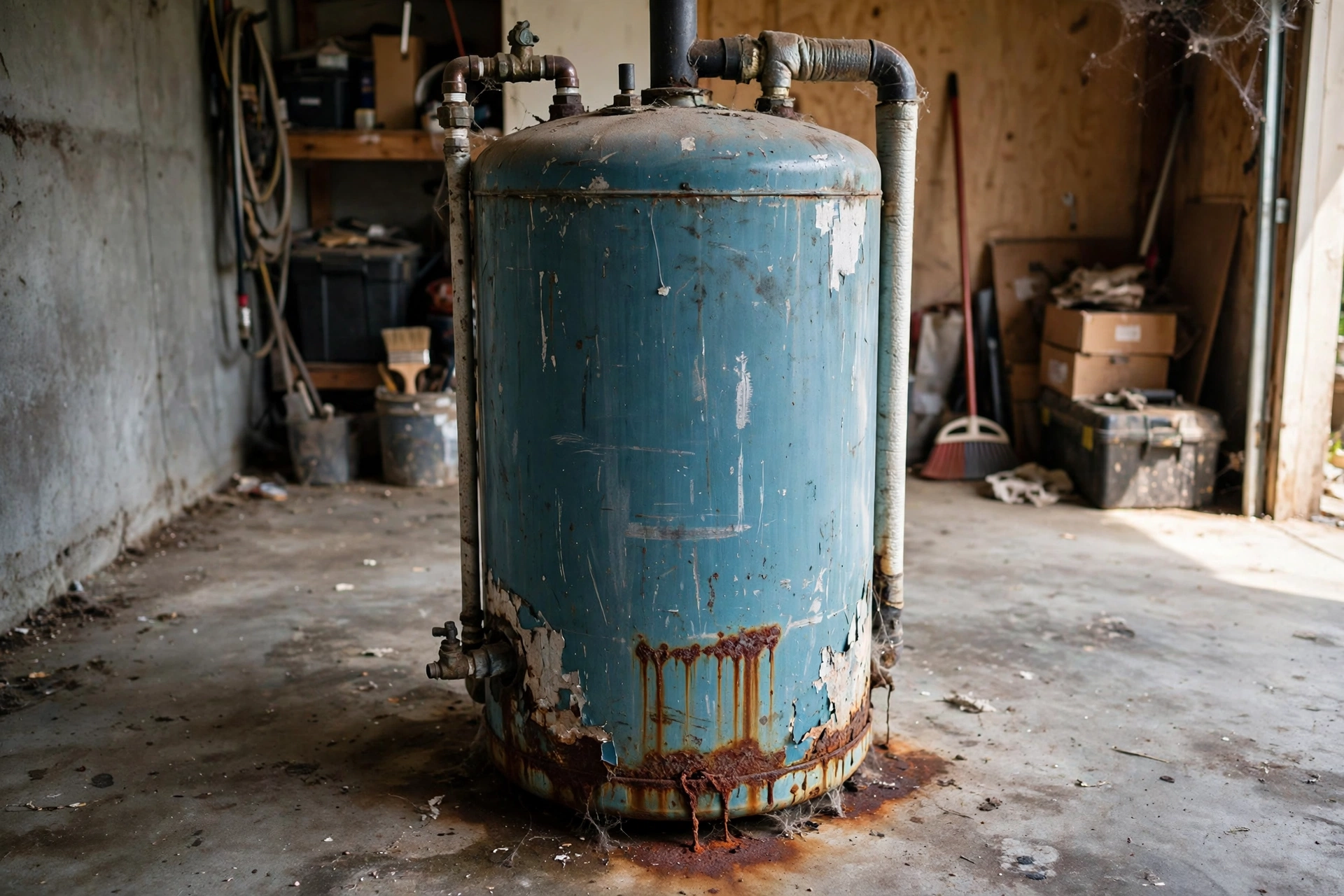
Older Sun City water heaters usually warn owners before they fail, through rust tinted hot water, popping soun...
Learn more